
 Updated on December 10, 2025 by

Northeast Ohio winters bring beautiful snowy landscapes, but they can be a homeowner’s nightmare when it comes to the roof. Heavy snow and freezing temperatures create perfect conditions for ice dams and roof leaks, which threaten your home’s safety and your wallet. Learning how to prevent ice and snow damage before the first freeze sets in is the best way to protect your investment.
With the right approach, combining smart insulation, routine gutter care, and proactive roof maintenance, you can confidently prevent costly winter roof problems. This guide covers practical steps you need to take to winter-proof your roof and save thousands on surprise repairs.
What Are Ice Dams and Why Are They Dangerous?

Before diving into roof protection strategies, let’s understand the main threat: ice dams. An ice dam is a ridge of ice that forms along your roof’s edge. It blocks melting snow from draining off your roof, causing water to seep under shingles and into your home. The result? Leaks, water damage, ruined insulation, and even dangerous mold growth.
How ice dams form:
- Snow piles up on your roof—just 2 inches can be enough.
- Outdoor temperatures stay below freezing.
- Warm air escapes from your house and heats parts of your roof.
This combination causes snow to melt and trickle down to the colder roof edge, where it refreezes into a dam. Water then pools behind the dam and eventually leaks into your home, destroying ceilings, walls, and personal belongings.
Beyond interior leaks, ice dams can:
- Damage shingles and roof structure
- Rip gutters away from your house
- Create dangerous falling ice hazards
- Encourage mold and mildew in walls/attics
Heavy snow is also a risk. Wet snow can weigh up to 21 pounds per square foot, putting massive stress on your roof.
The Three Core Strategies for Prevention
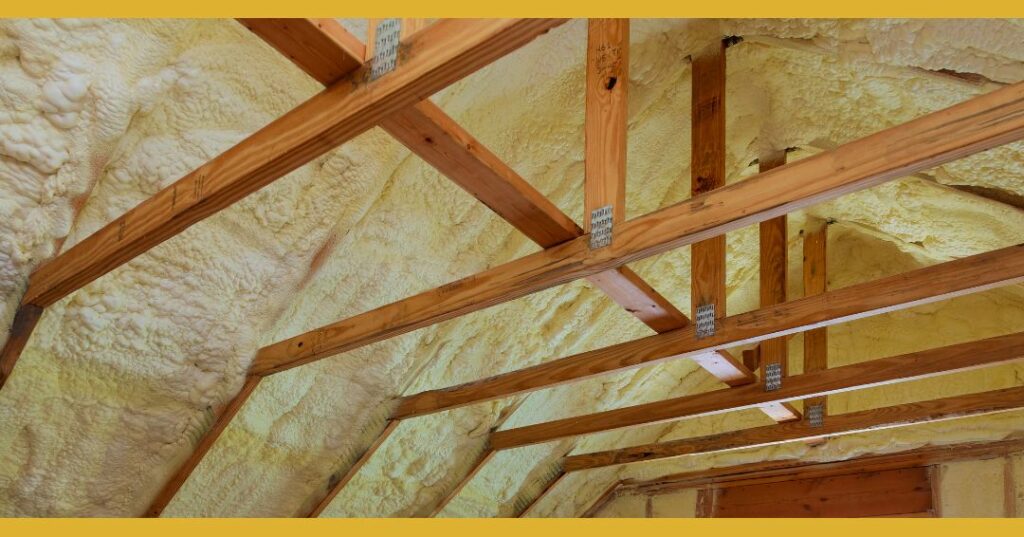
The most effective approach to preventing ice dams and winter roof hazards is a combination of air sealing, insulation, and ventilation, each working together to keep your roof in top shape. For more details about integrated solutions, explore our professional roofing solutions for Ohio winters.
1. Air Sealing: The First Line of Defense
Air sealing blocks warm air from leaking into your attic, which is the main cause of ice dams.
Why it matters: Even small gaps let heat escape from your living space. This warms the roof, melts snow, and starts the ice dam process.
Critical areas to air seal:
- Attic hatch or door: Use weatherstripping and attic hatch insulation.
- Recessed lights: These are notorious for leaking air.
- Plumbing stacks & chimneys: Seal these with fire-rated foam or caulk.
- Wiring holes/outlets: Expanding foam seals around cables and outlets.
- Dropped ceilings and soffits: These often have hidden air leaks.
- Top plates of exterior walls: A common and overlooked leakage source.
DIYers can use caulk for smaller gaps and expanding foam for larger openings. For thorough results, a professional energy audit with blower door testing can pinpoint every leak.
2. Insulation: Keeping Heat Where It Belongs
After sealing leaks, insulation slows down any heat that might sneak into your attic. This step is absolutely crucial for Ohio’s tough winters.
How much insulation? For Northeast Ohio (Climate Zone 5), you’ll want attic insulation rated R-49 to R-60. This usually means 16-20 inches of fiberglass batts or 13-17 inches of blown cellulose.
Types of insulation:
- Fiberglass batts: Common and affordable, but must be installed correctly to avoid gaps.
- Blown cellulose: Excellent for filling all the nooks and crannies.
- Spray foam: Provides air sealing and insulation, but requires pro installation.
Important: Complete all air sealing before you add insulation. Insulation alone can’t stop heat leaks!
3. Ventilation: Creating a Cold Roof System
Proper ventilation keeps your attic and roof surface cold, which prevents snow from melting and refreezing at the eaves.
How it works: Cold air comes in through soffit vents at the eaves and leaves via ridge or gable vents on top, circulating air throughout the attic.
Key components:
- Soffit vents: Intake vents under the eaves.
- Ridge vents: Exhaust along the roof peak.
- Baffles: Plastic channels that keep insulation from blocking airflow.
Strive for at least 1 square foot of ventilation per 300 square feet of attic. A balanced intake and exhaust system is best for protecting your roof.
Additional Protection Measures
A well-sealed, insulated, and ventilated roof provides the best defense, but layering extra protection can make all the difference.
Ice and Water Shield: A Critical Backup System
This self-adhering membrane is installed under the shingles at the roof edge, especially where ice dams form. It seals around nails to keep water out, even if ice dams form.
Ohio building codes require ice and water shield to extend at least 24 inches inside your home’s wall line. When reroofing, consider asking your contractor to extend the shield even farther for added protection.
Gutter Maintenance and Protection
Gutters channel melting ice and snow away from your foundation, but only if they are clear.
Gutter care checklist:
- Clear leaves and debris each fall.
- Repair sagging or damaged sections.
- Make sure downspouts direct water 5+ feet from your foundation.
- Consider gutter guards to keep debris out.
For a step-by-step guide, see our gutter maintenance guide for homeowners.
Winter gutter tips:
- Keep gutters clear of snow and ice.
- Make sure gutter edges are slightly below the roof’s slope.
- Consider heated gutter cables for trouble spots (see below for warnings).
Don’t forget, our gutter services for winter protection can help you prep before snowfall.
Safe Snow Removal Techniques
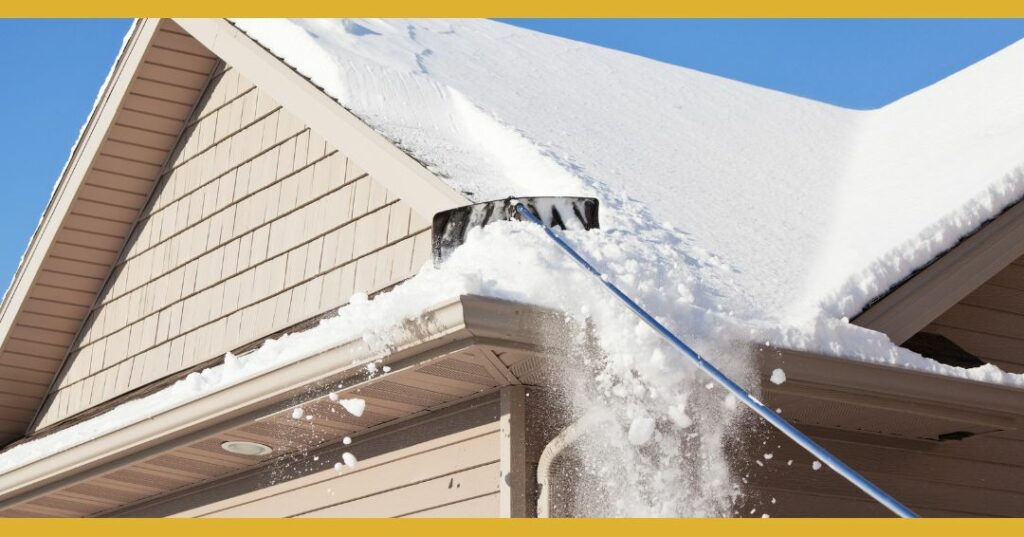
Despite your best prevention efforts, sometimes heavy snow demands immediate removal.
Roof Rakes: Your First Line of Defense
Roof rakes let you safely remove snow from the ground. Here’s how to use one:
- Stand on the ground, never on the roof or a ladder.
- Start from the edge and work in, clearing the first 3-4 feet.
- Leave 1-2 inches of snow to protect your shingles.
- Use a rake with bumpers to avoid scraping shingles.
- Be careful of falling snow and ice!
It’s a good idea to rake after every heavy snowfall or when you see icicles starting to form.
Signs You May Already Have Problems
It’s essential to spot trouble early. Watch for these signs of ice dams or snow issues:
- Large icicles hanging from the eaves
- Ice buildup in gutters and along the roof edge
- Water stains on ceilings or exterior walls
- Peeling paint or sagging drywall indoors
- Windows/doors suddenly hard to open (could be due to roof stress)
- Cracking noises in your attic or ceiling
For more details, read our guide on signs your roof needs repair.
If you notice any of these issues, act fast. Small problems can become major repairs if ignored.
The Value of Professional Inspection
A pre-winter roof inspection by experts offers peace of mind and catches minor issues before they become major emergencies.
A professional checkup can:
- Spot potential leaks or weak points
- Assess insulation, ventilation, and air sealing
- Find damaged or missing shingles
- Check gutter condition and performance
- Tailor a winter protection plan just for your home
Explore our comprehensive “Eyes On” inspection services to get ready for winter.
Take Action Before the First Snowfall
Don’t wait for icicles to signal trouble! Get your home ready now. Book your comprehensive “Eyes On” inspection with Always Be Fair Roofing, and gain the peace of mind you deserve.
Our experts will assess your roof and gutter needs to recommend a custom winter protection plan.
Contact us at (330) 818-0203 or contact Always Be Fair Roofing today. Let’s keep your roof safe, dry, and strong all season long.
Protect your home before winter hits—Act now and rest easy all season!
