Updated on June 8, 2026 by
Winter in Northeast Ohio is beautiful, until your gutters turn into ice troughs and the problems start: overflowing water, slippery walkways, damaged fascia, and, in worst cases, ice dam leaks that show up inside your home. The good news is that most gutter ice issues come from a handful of repeat causes, and the best prevention is simple when you tackle it in the right order.
This guide breaks down why ice forms, what to do before the first freeze, what helps during winter, and when it’s time to call a pro.
Why Ice Forms In Gutters
Northeast Ohio conditions that make gutter ice common:
- Freeze-thaw cycles: Sunny days melt snow, then cold nights refreeze water fast.
- Lake-effect snow: Heavy snow loads create more meltwater and more refreeze potential.
- Cold roof edges: The roof surface can warm enough to melt snow, but the edges stay cold, so water refreezes right where it hits the gutters.
If you’ve dealt with this more than once, it’s usually not a “bad gutter” problem. It’s a roof, drainage, and temperature problem working together.
The Three Main Causes of Ice Buildup in Gutters
1. Roof Heat Loss Creates Meltwater
When warm air escapes into the attic, it can warm the roof deck if the attic is not correctly insulated. Snow melts higher up, runs down to the colder roof edge, and refreezes in the gutters.
Common signs
- You see icicles and ice buildup even when gutters are clean
- Ice returns quickly after you remove it
- You notice uneven snow melt on your roof (patchy bare areas)
2. Poor Drainage Causes Water To Back Up
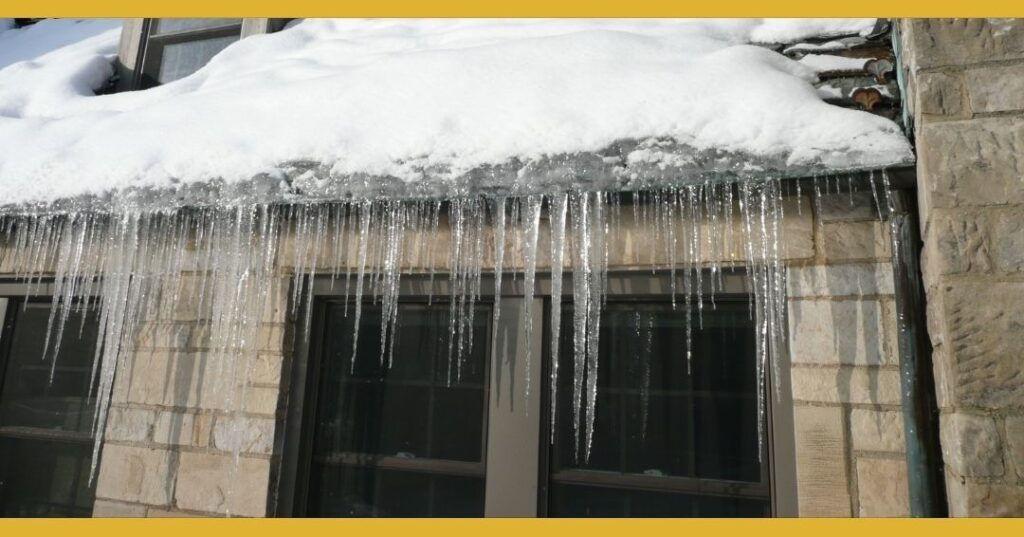
Even small amounts of debris can slow drainage. When meltwater can’t move through gutters and downspouts efficiently, it pools and freezes. Often, gutters and downspouts are designed to be hidden for the best curb appeal rather than for functionality. Poor design can result in decreased gutter function.
Common signs
- Water overflows behind the gutters
- Downspouts freeze solid
- Gutters sag or hold standing water
3. Refreeze Zones Make Certain Areas Repeat Offenders
Some homes have “problem sections” every winter: shaded roof lines, north-facing slopes, valleys, and areas near dormers or roof transitions.
Common signs
- Ice shows up in the same spot every year
- One downspout always freezes first
- You see thicker ice near corners and rooflines with heavy shade
What To Do Before The First Freeze
If you do only one thing, do this section. Prevention is cheaper and safer than winter ice removal.
Attic Improvements That Reduce Meltwater
You don’t need to become an insulation expert. Focus on the basics that make the biggest difference.
- Seal air leaks: Common leak points are attic hatches, bathroom fans, light fixtures, and plumbing penetrations.
- Check insulation coverage: You want consistent, gap-free insulation, especially near exterior walls and attic edges.
- Make sure ventilation pathways aren’t blocked: Soffit vents can’t help if insulation is stuffed into the eaves.
If your home fights ice dams every winter, heat loss is usually the root cause. Fixing drainage helps, but stopping the meltwater is what changes the game long-term.
Gutter And Downspout Checklist
Clean gutters are still essential. Even a small clog can create a freeze point.
- Clean gutters thoroughly before temperatures stay below freezing.
- Flush downspouts and make sure water exits freely.
- Check gutter pitch so water moves toward the downspouts.
- Tighten hangers and brackets so gutters don’t sag under the weight of snow and ice.
- Extend downspouts so water drains away from the home (not back toward the foundation).
Safety note: If you’re using a ladder, work with a partner and avoid windy days. If the roofline is steep or high, it’s worth having a pro handle it.
Roof Edge Risk Check
Gutters often get blamed, but roof-edge issues can be the real reason water is backing up.
Look for:
- Loose or damaged shingles near the edge
- Failing fascia or soft wood behind gutters
- Recurring ice buildup near valleys and roof transitions
If you’re seeing staining on soffits, peeling paint, or soft spots near the gutter line, it’s a sign that water isn’t being managed correctly.
Upgrades That Help, And When They Are Worth It
Not every home needs “everything.” The key is choosing upgrades based on what’s actually causing the ice.
Gutter Guards
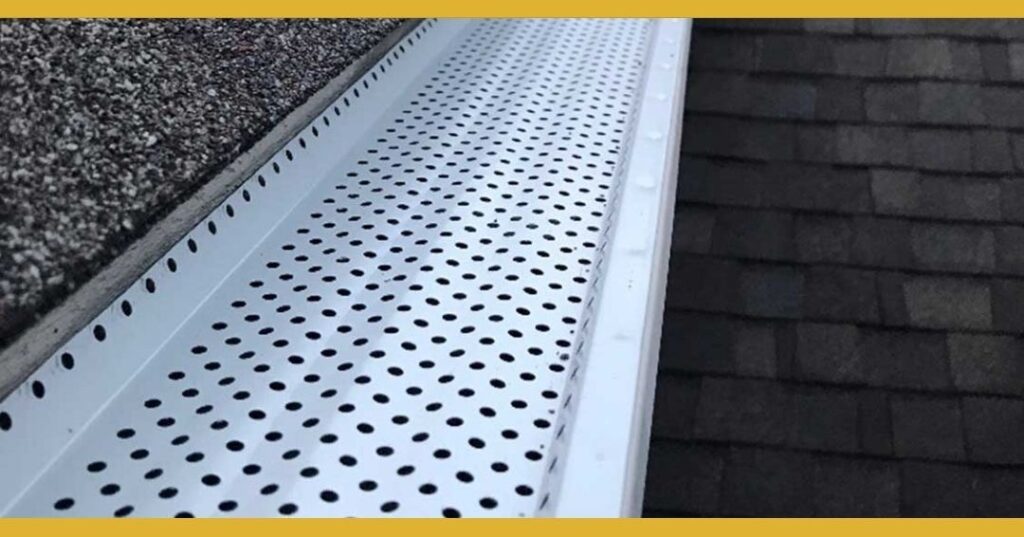
Gutter guards can reduce clogs and improve flow, which helps prevent water from pooling and freezing.
Best for
- Homes with heavy leaf and pine needle buildup
- Homeowners who can’t clean gutters safely or consistently
Important to note:
Gutter guards help with debris, but they do not stop ice dams if attic heat loss is the main issue. For the best results, pair guards with attic improvements.
Seamless Gutters And Hidden Hangers
If your gutters sag, leak at joints, or pull away under winter load, this is where structural upgrades matter.
Worth it when
- Gutters hold standing water
- Seams leak or separate
- The system struggles under the weight of snow and ice year after year
Ice And Water Protection At The Roof Edge
Even with good prevention, ice can still form in harsh conditions. Roof-edge waterproofing helps protect your home if water backs up.
This is especially important for homes with a history of winter leaks or older homes, since ice and water protection was not added to the Ohio Residential Code until 2013 . A professional inspection can confirm whether your roof edge has the right protection in place.
What To Do During Winter
If ice starts forming, focus on safe management instead of risky removal.
Safe Steps Homeowners Can Take
- Use a roof rake from the ground to remove snow from the roof edge when it is safe to do so.
- Use calcium chloride or magnesium chloride de-icer (avoid rock salt, which can corrode metal).
- Keep walkways clear where gutter runoff can refreeze into slippery patches.
What Not To Do
- Do not hammer or chip ice off gutters or the roof edge.
- Do not climb ladders when conditions are icy.
- Do not try to “seal” the problem with random tar or caulk in winter.
When To Call A Professional
Call a pro if you notice:
- ice dams every winter, even after cleaning gutters
- sagging or detached gutters
- water stains on ceilings or near exterior walls
- visible fascia damage or soft wood near the gutter line
- rooflines that are too steep or high to access safely
- frozen downspouts that keep returning
A professional evaluation is also helpful because water often travels. The drip you see may not be where the water started.
Always Be Fair Roofing’s free “Eyes On” inspection is designed for exactly this: we’ll identify your winter risk points, confirm the most likely cause, and give you a clear plan to prevent the same issues next season. Always Be Fair Roofing proudly serves Akron, Canton, North Canton, and surrounding Northeast Ohio communities.
Frequently Asked Questions
How Can I Prevent Ice In My Gutters This Winter?
Start with the basics: seal attic air leaks, confirm insulation coverage, clean gutters and downspouts, and make sure water drains properly. For repeat trouble spots, targeted heat cables can help.
Do Heat Cables Damage Gutters Or Roofs?
When installed correctly and used as intended, heat cables are safe for most modern systems. The biggest issues come from incorrect placement, improper power supply, or DIY installs that don’t follow manufacturer guidance.
Will Gutter Guards Stop Ice Dams?
Gutter guards help reduce debris and clogs, but they do not solve attic heat loss. If heat escaping from the attic is causing meltwater, you’ll still get ice buildup unless that root cause is addressed.
What Attic Insulation Level Helps Prevent Ice Dams In Ohio?
Most homes benefit from consistent insulation coverage and air sealing. The “right” level depends on the home, but the bigger issue is usually gaps, compression, and air leaks rather than a single number.
When Should I Call A Professional Instead Of Doing It Myself?
Call a pro if you have recurring winter issues, visible water damage, steep or high rooflines, sagging gutters, or anything that puts safety at risk.