
 Updated on June 8, 2026 by

You wake up and see water droplets on your windows. Your first thought: something’s wrong with my house.
Usually, that’s not true.
Window condensation confuses homeowners because it looks like a problem even when it’s completely normal. The key is knowing which type you’re dealing with.
This guide explains the three types of window condensation, when each one happens, and what you actually need to do about it.
What Causes Condensation on Windows
Condensation forms when warm, moist air hits a cold surface. The water vapor in the air turns into liquid droplets.
Your home creates moisture constantly. A family of four adds about half a pint of water to the air every hour just from breathing and normal activity. Cooking three meals adds another four to five pints. That’s more than 18 gallons of water per week entering your indoor air.
Windows are usually the coldest surfaces in your home during winter. When that moisture-filled air touches cold glass, you get condensation.
The Three Types of Window Condensation
Where the condensation appears tells you everything about whether you have a problem.
Interior Condensation (Inside Your Home)
This is the most common type. You see water droplets or fog on the inside surface of your windows.
When it’s normal:
- Light condensation in the morning that disappears as the day warms up
- Moisture in bathrooms after showers
- Kitchen windows fogging during cooking
- Condensation during cold snaps when outdoor temperatures drop suddenly
When it signals a problem:
- Heavy condensation that covers entire windows
- Water running down the glass onto window sills or walls
- Condensation that stays all day
- Frost building up on windows
Excessive interior condensation means your home has too much humidity. The EPA recommends keeping indoor humidity between 30-50 percent. Above that range, you risk more than window problems. High humidity can damage walls, rot wood frames, and create conditions for mold growth in places you can’t see.
Exterior Condensation (Outside Your Home)
You see moisture on the outside surface of your windows, usually in summer mornings.
This is actually good news.
Exterior condensation means your windows are doing their job. They’re keeping cool air inside and blocking warm air from entering. Modern, energy-efficient windows often show exterior condensation because they insulate so well.
You don’t need to do anything about exterior condensation. It will evaporate as the sun warms the glass.
Between-Pane Condensation (Inside the Glass)
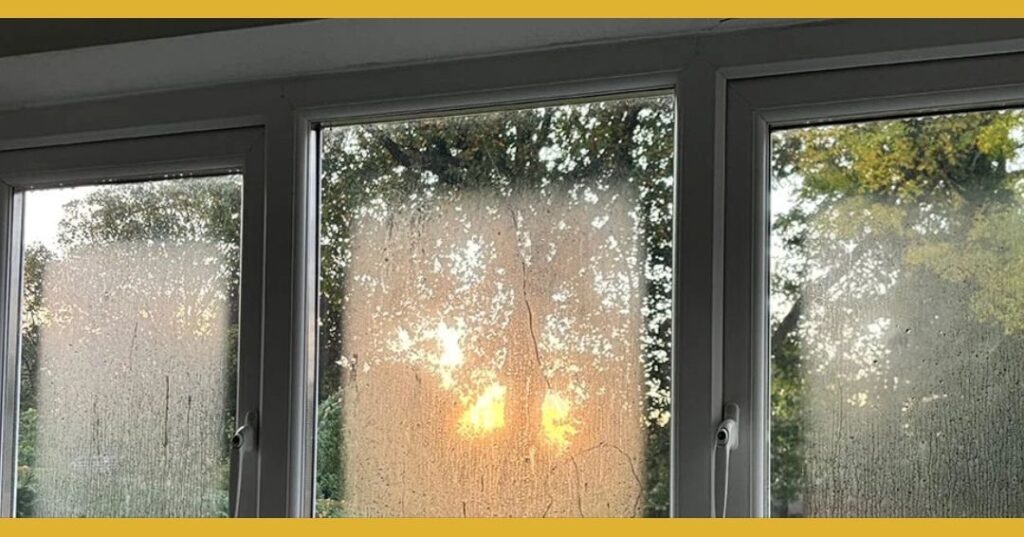
You see fog or moisture trapped between the two panes of glass in a double-pane window.
This always indicates a problem.
Between-pane condensation means the window seal has failed. Double-pane windows have a sealed space between the glass panes, usually filled with insulating gas like argon or krypton. When that seal breaks, moisture gets in, and the insulating gas escapes.
You can’t fix this yourself. The window has lost its energy efficiency and needs professional attention. Most double-pane windows last 10 to 20 years before seals may fail, according to industry standards.
How to Reduce Interior Condensation
If you’re dealing with excessive interior condensation, these steps help:
Run Exhaust Fans Longer
Most people turn off bathroom and kitchen fans too quickly. Run them for about 20 minutes after you finish cooking or showering. The moisture needs time to exit your home.
Check Your Humidity Level
Buy an inexpensive hygrometer to measure indoor humidity. Keep it between 30-50 percent. If it’s higher, you need better ventilation or a dehumidifier.
Improve Air Circulation
Open curtains and blinds during the day. Move furniture away from windows. Air needs to flow across the glass to prevent condensation.
Use Your Whole-House Ventilation
If you have an HRV or ERV system, make sure it’s running properly. These systems exchange stale indoor air with fresh outdoor air while maintaining temperature.
Address Moisture Sources
Look for unusual moisture sources. Unvented dryers, too many houseplants, or water leaks all add humidity to your home.
The New Window Paradox
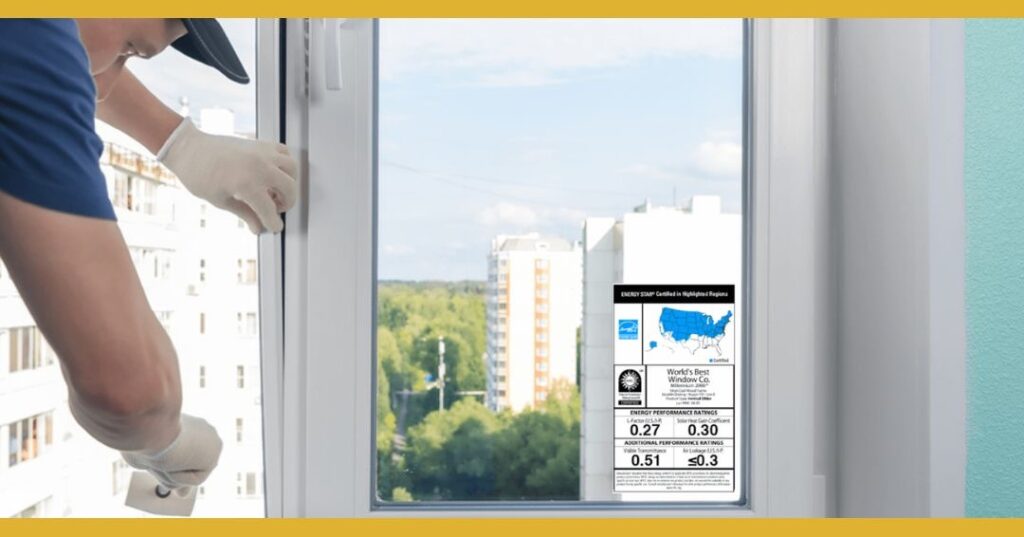
Here’s something that surprises homeowners: new, energy-efficient windows can actually increase interior condensation at first.
Old, leaky windows let moisture escape through drafts. New windows seal your home tighter, trapping moisture inside. This isn’t a window defect. It reveals that your home needs better ventilation to handle the moisture your family creates.
The solution is to improve airflow, as described in ventilation guidelines, not to replace the windows again.
When to Call a Professional
You need professional help when:
- You see condensation between the window panes
- Interior condensation causes water damage to walls or sills
- You’ve tried reducing humidity, but condensation persists
- Windows show signs of rot or mold around frames
- Condensation appears with other issues, like ice dams or attic moisture
These situations often connect to larger problems with insulation, ventilation, or structural integrity. A qualified contractor can assess whether you’re dealing with a window issue or a whole-home moisture problem.
What We Do Differently
At Always Be Fair Roofing, we look at windows as part of your home’s complete protection system. When you call us about window condensation, we don’t automatically recommend replacement. We do a comprehensive “Eyes On” inspection.
We inspect your situation and tell you what’s actually happening. Sometimes you need new windows. Sometimes you need better ventilation. Sometimes you just need to adjust your humidity levels.
We work for you, not for a sales quota. Our job is to help you understand your home so you can make the right decision.
If you’re dealing with persistent window condensation in Northeast Ohio and want a straight answer about what’s causing it, we can help. We’ll assess your windows, check for related issues, and explain your options clearly.
Frequently Asked Questions
Is condensation on windows bad?
Light interior condensation is normal. Heavy condensation that runs down windows or stays all day indicates high humidity that can damage your home. Exterior condensation is fine. Between-pane condensation always means the window seal has failed.
How do I stop condensation on my windows in winter?
Keep indoor humidity between 30-50 percent. Run exhaust fans for 20 minutes after cooking or showering. Improve air circulation by opening blinds and moving furniture away from windows. Use a dehumidifier if the humidity stays high.
Why do I have condensation on my windows but my neighbor doesn’t?
Homes create different amounts of moisture based on family size, cooking habits, and ventilation. Your neighbor might have better airflow, lower humidity, or older windows that leak air. Different window types also handle condensation differently.
Does condensation mean my windows are bad?
Interior condensation usually means humidity levels are too high, not that windows are defective. Between-pane condensation does mean the window seal has failed and needs replacement. Exterior condensation actually shows your windows are insulating well.
Can window condensation cause mold?
Yes. When condensation runs down windows onto sills and walls, it creates moisture that can lead to mold growth. Excessive condensation also indicates high humidity throughout your home, which promotes mold in other areas, like walls and ceilings.
Should I wipe condensation off my windows?
Wiping helps prevent water from running onto sills and causing damage. But wiping treats the symptom, not the cause. You need to reduce indoor humidity or improve ventilation to stop condensation from forming.
Do all double-pane windows eventually get condensation between the panes?
No. Quality windows with proper installation can last 20+ years without seal failure. When seals do fail, it’s usually due to age, poor installation, or structural settling that stresses the window frame.
Will a dehumidifier solve my window condensation problem?
A dehumidifier helps if your humidity is above 50 percent. But you also need to address why the humidity is high. Check for moisture sources like unvented dryers, leaks, or poor ventilation. Dehumidifiers work best as part of a complete moisture management approach.
What humidity level should I target in Northeast Ohio winters?
Start at 30–50%. If windows still sweat, reduce humidity and improve airflow.

