Updated on June 8, 2026 by

Winter in Northeast Ohio doesn’t just pass through. It leaves marks.
The January 2026 winter storm hit the Ohio Valley hard with heavy snow loads, ice dams, and high winds. The Ohio Department of Commerce issued warnings for homeowners to inspect properties immediately. Their message was clear: early detection and timely repairs are the most cost-effective way to protect your property.
At Always Be Fair Roofing, we’ve spent years helping Northeast Ohio homeowners navigate exactly this moment. Spring isn’t just about warmer weather. It’s your window to catch winter damage before it becomes a bigger problem.
Here’s what you need to check.
Why Spring Inspections Matter Right Now
Most winter roof damage doesn’t announce itself loudly. You might not see problems until water stains appear on your ceiling weeks later. By then, the damage has already spread.
Cleveland sees 60-70 inches of lake-effect snow annually. Freeze-thaw cycles encourage ice dams, speed up shingle wear, and can shave years off your roof’s lifespan.
The math is simple: A $200-$250 inspection today could save you thousands in repairs tomorrow. For every $1 spent on preventative maintenance, you save $4 in repairs.
Spring gives you dry, mild temperatures that make inspections safer and repairs easier. Catch issues now, and you’re ready when summer storms arrive.
Your Roof Checklist
Look for Missing or Damaged Shingles
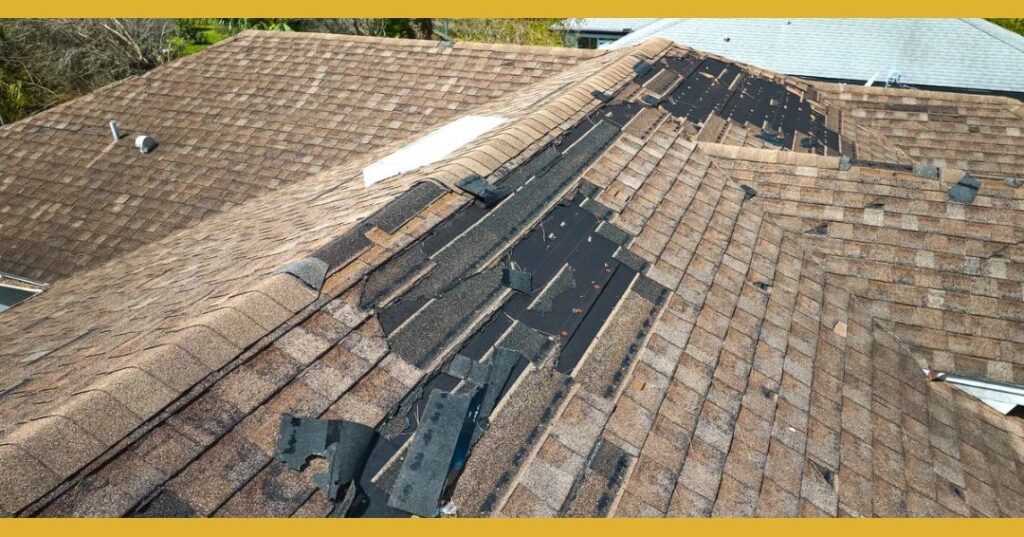
Missing shingles create gaps that allow water to enter your home. Walk around your property and look up. Do you see bare spots, curled edges, or shingles in your yard?
These are urgent. Water doesn’t need a big opening to cause damage.
Check for Ice Dam Damage
Ice dams form when attic heat melts snow unevenly. Meltwater refreezes at roof edges, trapping water under shingles. Within hours, water can soak insulation and damage drywall.
Signs of ice dam damage:
- Large icicles hanging from the roof edges
- Water stains on ceilings or walls
- Peeling paint near the roofline
- Sagging gutters
If you saw ice dams this winter, you need an inspection. The damage might be hidden.
Tip: Some water stains on your ceiling may be from previous issues and aren’t a sign of an active leak. To find out if an active roof leak is causing the stain, mark the edges of the water spot and date it with a pencil. Now you can watch to see whether the stain grows during heavy rain, snowmelt, or extreme cold. If it grows, your roof leak is active and requires immediate attention.
Inspect Flashing Around Chimneys and Vents
Flashing seals the gaps where your roof meets chimneys, vents, and skylights. Frozen conditions can crack these seals. Look for gaps, rust, or lifted edges.
Flashing failures are common leak sources. They’re also easy to miss if you don’t know where to look.
Check Your Attic
Go inside and look at your attic ceiling and insulation. Do you see water stains, damp spots, or light coming through the roof boards? If you notice any of these things, it is a sign that there are problems on your roof.
Your Gutter Checklist
Clean Out Debris
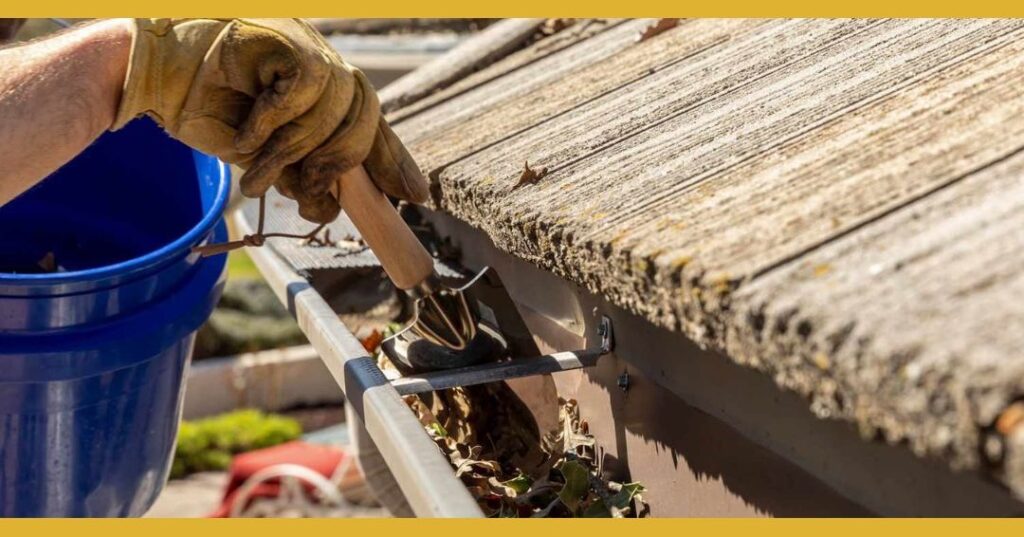
Gutters and downspouts form the backbone of your drainage system. When clogged with leaves, twigs, and winter debris, water can’t flow freely. It overflows, creeps under shingles, or pools around your foundation.
Clean your gutters completely. Remove everything. Flush downspouts with a hose to confirm water flows freely.
Look for Damage
Winter ice is heavy, and gutters are not meant to support that weight. Check for:
- Sagging sections
- Separated seams
- Loose or missing hangers
- Cracks or holes
Damaged gutters can’t protect your home. They need repair or replacement before the next storm.
Test Water Flow
Run water through your gutters with a hose. Watch where it goes. Does it drain away from your foundation, or does it pool near your house? Gutters should always direct water away from your home.
Proper drainage protects your foundation, basement, and landscaping.
Trim Overhanging Branches
Tree branches should stay at least 6-10 feet from your roofline. Branches drop debris into gutters, scrape shingles during wind, and create pathways for animals to reach your roof.
Trim them back. This single step prevents multiple problems.
What Happens If You Wait
Delaying action costs money. Fixing a winter roof leak typically costs between $550 and $1,000. If water damaged your insulation or drywall, the total can reach $2,500 or more.
What started as a small drip becomes soaked insulation, damaged drywall, and an expensive repair bill. Early detection and timely repairs are the most cost-effective approach.
When to Call a Professional
Some maintenance tasks are manageable. Others require expertise.
Call a professional if you:
- See missing or damaged shingles
- Notice water stains in your attic or ceilings
- Had ice dams this winter
- Find damaged flashing
- See sagging or separated gutters
- Aren’t comfortable climbing on your roof
Professional inspections catch problems you can’t see from the ground. They also document damage for insurance claims if needed.
Get Your “Eyes On” Inspection
Spring is the right time to act. Winter left its mark on Northeast Ohio roofs. The question is whether you’ll catch the damage now or pay for it later.
Always Be Fair Roofing offers “Eyes On” inspections that give you clarity about your roof’s condition. No games. No pressure. Just straight answers about what your home needs.
We’ve helped countless Northeast Ohio homeowners navigate post-winter damage. We know what to look for, how to document it, and how to help you make informed decisions about repairs.
Contact Always Be Fair Roofing today to schedule your spring inspection. Your roof protected you all winter. Now it’s time to return the favor.
Call us or visit our website to book your “Eyes On” inspection. Let’s make sure your home is ready for whatever comes next.