Updated on June 8, 2026 by
Too many homeowners get burned by the same pattern.
You hire a roofing company based on a low bid or a slick website. The roof goes on. Everything looks fine. Then two years later, you notice a leak, call the number, and it’s disconnected. The workmanship warranty you paid for: worthless.
This happens more than you think. Industry data shows that 72% of new roofing businesses fail within five years. The construction industry has one of the highest business failure rates across all sectors.
That means if you hire a newer company, the odds are stacked against you. Not because they’re dishonest, but because most roofing businesses fail before they can honor their promises.
The Warranty That Disappears When You Need It
Many homeowners don’t realize there are two types of roofing warranties: a materials warranty from the manufacturer and a workmanship warranty from the contractor. The materials warranty covers defects in the shingles. The workmanship warranty covers installation mistakes.
And here’s the problem: many warranty claims involve faulty installation, not defective materials.
When your contractor goes out of business, that workmanship warranty vanishes. You’re left holding the bill for repairs that should have been covered.
This scenario has played out countless times across Northeast Ohio. A homeowner finds shingles falling off three years after installation, so they dig out the paperwork. The 30-year warranty is right there in writing, but the company that signed it? Out of business or sold to someone who won’t take responsibility.
You’re stuck in the middle. The manufacturer blames installation, and the installer is nowhere to be found.
What Longevity Actually Proves
A roofing company that survives for more than five years didn’t get lucky.
They got the fundamentals right:
- Cash flow management — They didn’t overextend on jobs or bury themselves in debt
- Quality control — Their work held up, so callbacks didn’t drain their resources
- Customer service — They kept clients satisfied enough to refer neighbors
- Insurance and licensing — They maintained the credentials required to operate legally
These aren’t glamorous traits. But they’re the difference between a contractor who answers the phone in year twenty and one whose number is disconnected.
Look for contractors who have been operating in your area for at least five years. That puts them in the rare category who’ve built lasting relationships with their community and proven their commitment through years of consistent service.
These companies are still here because they do what they say they’ll do. They pay their bills, answer their phones, and show up when problems arise, even years after installation.
Why GAF Master Elite Status Actually Matters
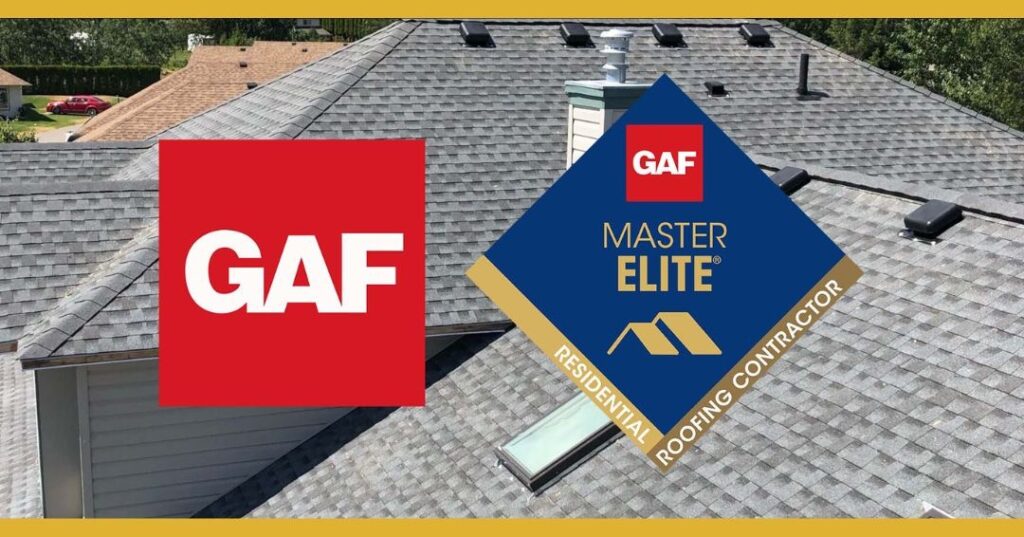
Only 2% of roofing contractors in North America qualify for GAF Master Elite certification.
It’s not a participation trophy. To earn it, you need:
- At least $1 million in general liability insurance
- Proper state licensing and credentials
- Good credit standing and financial stability
- Ongoing training and education
- Proven reputation in your market
And you have to renew it every year.
That means a contractor can’t coast on past achievements. They need to maintain those standards year after year.
When you hire a GAF Master Elite contractor, you’re working with someone who passed the filter that disqualifies 98% of the industry.
You also get access to warranties that most contractors can’t offer. The GAF Golden Pledge Limited Warranty includes up to 50 years of material coverage and 25 years of workmanship coverage backed directly by GAF, not just the installer.
That matters when the contractor who installed your roof is still around to honor the warranty. Experience and credentials ensure they’ll back up their promises.
The Red Flags I Watch For
When evaluating roofing companies, you should look for warning signs that most homeowners miss.
- A 50-year workmanship warranty from a two-year-old company. The math doesn’t work. If they haven’t survived five years, they can’t guarantee 50.
- No verifiable local address or phone number. Storm chasers roll into town after weather events, collect deposits, and disappear. A local contractor with a physical office and roots in your community isn’t going anywhere.
- Pressure to sign immediately. Legitimate contractors give you time to review proposals and check references. High-pressure tactics signal desperation or dishonesty.
- Lack of proper insurance documentation. If a contractor can’t produce current certificates of insurance, walk away. You’re liable if someone gets hurt on your property.
What to Ask Before You Hire Anyone
Don’t just accept a bid and move forward. Ask questions that reveal whether a contractor will still be around when you need them.
- How long have you been in business? Look for at least five years of continuous operation in the same market.
- Can you provide proof of insurance? Get copies and verify them. Established companies maintain these credentials year after year.
- What certifications do you hold? GAF Master Elite, CertainTeed Select ShingleMaster, or Owens Corning Platinum Preferred all require financial stability and proven performance.
- Can I see recent local references? Talk to homeowners in your area who had work done in the past year. Ask if the contractor followed through on commitments.
- What does your warranty cover, and who backs it? Get it in writing. Understand what happens if the company changes ownership or closes.
- Are you a member of the local Chamber of Commerce? These organizations admit only legitimate local businesses that are in good standing with the community, so membership can be a sign that a business is reliable and trustworthy.
What Separates Contractors Who Last from Those Who Don’t
The best roofing companies are built on a foundation of supporting homeowners through difficult situations.
Too many homeowners hire contractors who show up fast, collect insurance checks, and vanish when problems surface. They trust companies that look professional but lack the systems to survive long-term.
Established contractors operate differently. They have stayed operational because they prioritize the fundamentals: quality work, financial discipline, and customer service that doesn’t end when the job is done. Their certifications and manufacturer credentials prove their commitment to excellence year after year.
Your roof protects everything inside your home. The contractor you choose should protect you just as reliably, with decades of proven experience and certifications that demonstrate their expertise.
Frequently Asked Questions
Why does it matter if a roofing company has been around for five years or more?
Because most roofing contractors don’t survive past five years. Industry data shows 72% of new roofing businesses fail within that timeframe. A company that survives past that threshold has proven financial stability, quality control, and customer satisfaction. They’ll be around to honor warranties and handle problems that surface years later.
What happens to my warranty if my roofing contractor goes out of business?
Your workmanship warranty becomes void. The manufacturer’s material warranty may still apply, but two-thirds of warranty claims involve installation issues, not defective materials. If the installer disappears, you pay for repairs that should have been covered.
What is a GAF Master Elite contractor, and why should I care?
Only 2% of North American roofing contractors qualify for GAF Master Elite status. They must carry at least $1 million in liability insurance, maintain proper licensing, demonstrate financial stability, and complete ongoing training. The certification is renewed annually, so contractors must maintain those standards year after year.
How do I verify a roofing company’s credentials?
Ask for copies of their insurance certificates and state licenses. Verify them with your state’s licensing board. Check their standing with the Better Business Bureau. Look for manufacturer certifications like GAF Master Elite. Call recent local references and ask about their experience.
What questions should I ask before hiring a roofing contractor?
Ask how long they’ve been in business, request proof of insurance and licensing, inquire about manufacturer certifications, get local references from recent projects, and clarify what their warranty covers and who backs it. Get everything in writing before work begins.
Ready to Work With a Roofing Company You Can Trust?
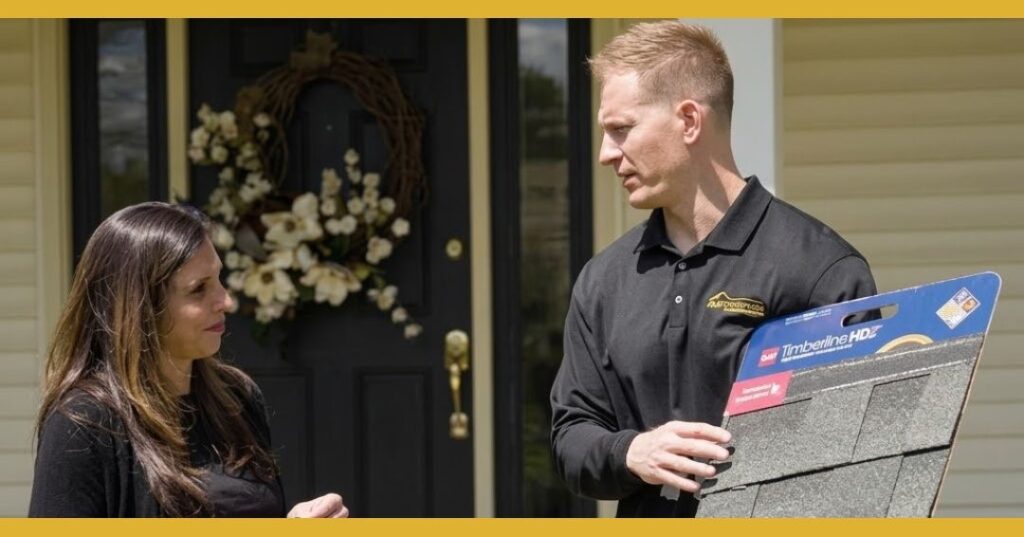
If you’re in Akron, Canton, or anywhere in Northeast Ohio and need roofing work done right by a contractor with over 20 years of experience and GAF Master Elite certification, contact Always Be Fair Roofing today. We’ll inspect your roof, document what we find, and give you clear options with no pressure. Schedule your free consultation today with a team that’s been protecting Northeast Ohio homes for decades and will be here for decades to come.