
 Updated on August 10, 2026 by

Yes, your roofing contractor should be at the insurance adjuster meeting. Insurance adjusters often spend limited time inspecting a roof, sometimes 30 minutes or less, and a second set of trained eyes can be the difference between a full, fair claim and a settlement that leaves damage unaddressed.
If a storm has damaged your roof, the adjuster meeting is one of the most important moments in the entire claims process. This guide covers what the adjuster is actually looking for, why having your contractor there changes the outcome, and what happens once the adjuster leaves your property.
Key Takeaways
- Insurance adjusters typically spend a limited amount of time inspecting a roof, which means damage can be missed without an experienced second opinion on-site.
- A roofing contractor can document damage, communicate with your insurer, and file supplemental claims, but cannot legally negotiate your settlement the way a licensed public adjuster or attorney can.
- Most roof claims move from field inspection to a desk review before a final scope or decision is issued, a process that typically takes days to a few weeks.
- Homeowners rarely know what hail bruising, lifted flashing, or granule loss actually looks like, which is exactly what a contractor is trained to spot.
- Getting a professional inspection before the adjuster arrives gives you your own documentation to compare against the adjuster’s findings.
What the Insurance Adjuster Is Actually Evaluating
When an adjuster visits your property, their job is narrow and specific. They are there to determine whether the damage is covered under your policy, how extensive it is, and what it will cost to repair or replace.
That sounds thorough, but in practice, adjusters often move fast. Many complete multiple roof inspections in a single day, sometimes spending as little as 30 minutes on a roof. They check for the same evidence every time:
- Circular impact marks from hail
- Granule loss on shingle surfaces
- Lifted or missing shingles from wind
- Damage to soft metals like vents and gutters
The problem is that roof damage does not always show up clearly from a quick walk-through. A shingle can lose its protective granule layer without an obvious dent. Flashing can lift just enough to let water in without looking damaged from the ground. An adjuster working through a packed schedule can miss these details, not because they are careless, but because the time and training available to them are limited.
This is why handling a storm damage insurance claim well starts before the adjuster ever arrives, with your own documentation already in hand.
Sometimes, it isn’t even the adjuster who comes out, but rather a third-party documentation company. These companies are only there to take photos, which they send to the adjuster. A roofing contractor will use their expertise to direct the documentation and guide the process so that the correct issues are noted and photographed for the adjuster.
Why Having Your Roofing Contractor There Changes the Outcome
A roofing contractor sees roofs every day. An adjuster sees a wide range of claims across many types of property damage, and roofing is only one part of that. That difference in focus matters.
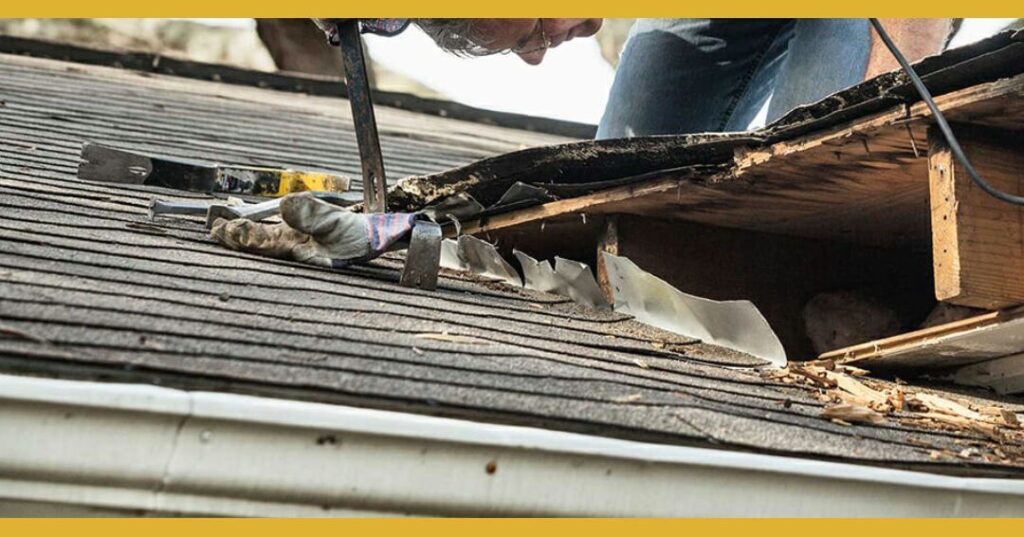
When your contractor is present at the adjuster meeting, they can walk the roof alongside the adjuster and point out damage patterns that are easy to miss, such as scattered hail bruising versus consistent wear from age. They can answer technical questions on the spot instead of leaving you to relay information secondhand later.
It is worth being clear about what a contractor can and cannot do here:
- Can: Document damage thoroughly, communicate with your insurance company, and file a supplemental claim if something was missed in the initial scope
- Cannot: Legally negotiate your settlement the way a licensed public adjuster or attorney can
Be cautious of anyone who promises to handle everything with your insurance company in a way that sounds more like representation than documentation and advocacy.
This is exactly why ABF Roofing built its Eyes On inspection around getting ahead of the adjuster meeting rather than reacting to it. A documented inspection before the adjuster arrives gives you a clear point of comparison, so you know whether the official findings line up with what is actually on your roof.
What Happens After the Adjuster Leaves?
The adjuster meeting is not the final word on your claim. In most cases, a field adjuster documents what they see and passes their notes and photos along for a desk review. That reviewer, not the person standing on your roof, typically issues the final scope of work or coverage decision.
This process usually takes anywhere from a few days to a few weeks, depending on your insurer and the severity of the damage. Storm events affecting a large area can extend this timeline further, as insurers manage a higher volume of claims at once.
Once a decision is issued, you will typically receive a first payment based on the approved scope, minus your deductible. If something was missed, this is the point where a contractor-filed supplement can recover coverage for items that were left out. If you feel your claim was not handled fairly and you have exhausted options with your insurer directly, the Ohio Department of Insurance offers consumer assistance and a formal complaint process.
For a full breakdown of the filing process itself, including Ohio’s specific rules around matching materials, see our guide to navigating a roofing insurance claim in Ohio.
FAQ
Should my roofer be at the adjuster meeting?
Yes. Most homeowners are not trained to identify roof damage the way an experienced contractor is. Having your roofer present means someone with roofing-specific expertise is walking the property alongside the adjuster, pointing out damage patterns, and making sure nothing gets missed in a rushed inspection.
What does a roof insurance adjuster look for?
Adjusters look for evidence that ties damage to a specific covered event, such as a storm date. On a roof, that typically means circular impact marks from hail, missing or lifted shingles from wind, and damage to soft metals like gutters and vents that suggest the same storm caused the roof damage.
How long does it take to get paid after the adjuster inspection?
Most claims move from field inspection to a desk review before a final decision, which usually takes a few days to a few weeks. Large storm events that generate many claims at once can extend this timeline, since insurers are processing a higher volume of inspections during that period.
Can a roofing contractor negotiate my insurance claim for me?
A contractor can document damage, communicate with your insurer, and file supplemental claims for items that were missed. They cannot legally negotiate a settlement the way a licensed public adjuster or attorney can. Be cautious of anyone who claims they can fully handle negotiations on your behalf.
Go Into Your Meeting Prepared
The adjuster meeting decides a lot about how your roof claim turns out, and having an experienced contractor there gives you a real advocate in that process. ABF Roofing’s Eyes On inspection is built to prepare Northeast Ohio homeowners before that meeting even happens, so nothing gets missed, and nothing feels like a surprise. If a storm has damaged your roof, contact Always Be Fair Roofing to schedule a free inspection before your adjuster visit.
