
 Updated on August 10, 2026 by

For most Northeast Ohio homeowners replacing a roof, impact-resistant shingles are worth the extra cost, especially if you plan to stay in your home for more than five years. They typically add 20 to 40 percent to material costs but can pay for themselves through fewer storm-related repairs and, in many cases, an insurance discount.
If you’re comparing roofing materials for an upcoming replacement, here’s what “impact-resistant” actually means, what the upgrade really costs in Northeast Ohio, and when it makes sense to spend the extra money.
Key Takeaways
- Class 4 is the highest impact-resistance rating a shingle can earn, based on withstanding a 2-inch steel ball dropped from 20 feet without cracking.
- Impact-resistant shingles typically cost 20 to 40 percent more than standard shingles, adding roughly $1,500 to $3,000 to a full replacement on an average home.
- Many insurers offer discounts for impact-resistant roofing, commonly cited between 5 and 35 percent, but the exact number depends entirely on your carrier and policy.
- Independent testing from the Insurance Institute for Business and Home Safety shows real-world hail performance varies even among Class 4-rated products, so the specific product and installer matter.
- Improper installation can void the manufacturer’s impact-resistance warranty, which is why certified installation matters as much as the shingle itself.
What “Impact-Resistant” and “Class 4” Actually Mean
Shingles earn an impact-resistance rating through a standardized test developed by Underwriters Laboratories, known as UL 2218. A 2-inch steel ball, meant to simulate a large hailstone, is dropped from 20 feet onto the same spot twice. If the shingle shows no cracking on the back side, it earns a Class 4 rating, the highest level available.
Class 4 shingles use a different construction than standard asphalt shingles. Most rely on polymer-modified asphalt, sometimes called SBS-modified asphalt, which stays more flexible under impact instead of cracking the way older, more brittle “oxidized” asphalt does. That flexibility is what allows the shingle to absorb an impact and return to shape rather than fracturing.
It’s worth knowing that UL 2218 isn’t the only measure of real-world performance. The Insurance Institute for Business and Home Safety runs its own hail-impact testing using laboratory-manufactured hailstones, and its research has found that performance varies meaningfully even among products that all carry a Class 4 rating. The rating tells you a shingle passed a specific test. It doesn’t guarantee every Class 4 product performs identically in an actual storm.
For a full breakdown of asphalt, metal, and other roofing material options, see our guide to comparing roofing materials.
What Do Impact-Resistant Shingles Cost in Northeast Ohio?
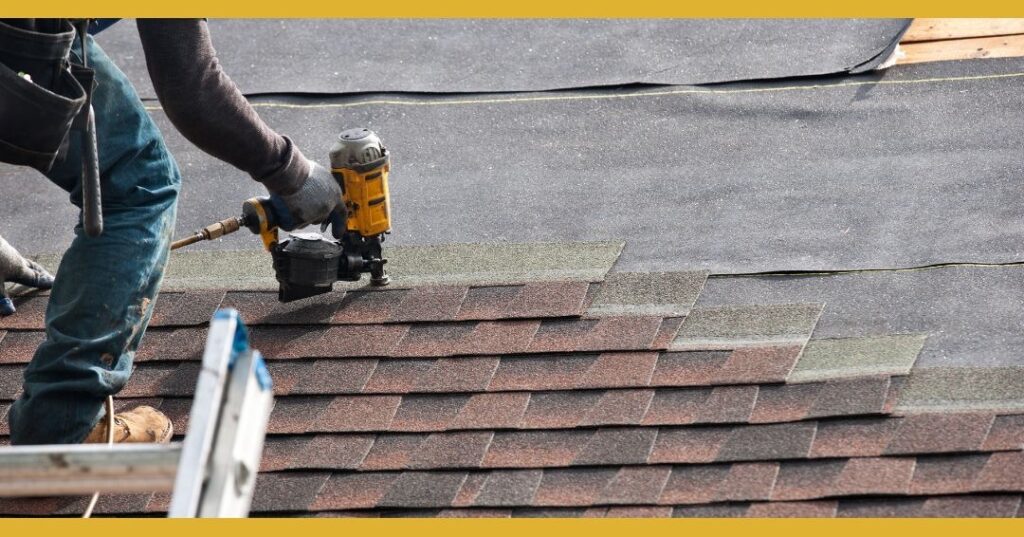
Impact-resistant shingles cost more, and the premium is real. On an average 2,000-square-foot Northeast Ohio home, here’s how standard architectural shingles compare to Class 4 impact-resistant options:
| Shingle Type | Typical Installed Cost (2,000 sq ft home) |
| Standard architectural shingles | $9,500 – $14,000 |
| Class 4 impact-resistant shingles | $11,000 – $16,000 |
That works out to roughly $1,500 to $3,000 more for the impact-resistant upgrade. That upfront number is only half the picture, though. Two factors can offset it over time:
- Fewer storm-related repairs: shingles that resist granule loss and cracking under hail impact mean fewer callbacks and fewer out-of-pocket repair costs after a storm.
- Insurance discounts: many carriers offer a premium discount for impact-resistant roofing, often cited in the 5 to 35 percent range depending on the insurer and region. Ask your own insurance provider directly. Don’t assume a specific number until they confirm it for your policy.
Installation quality also affects the math. GAF, one of the manufacturers ABF Roofing installs regularly as a Master Elite contractor, is explicit that improper installation can void the impact-resistance warranty on its products. Paying for a premium shingle only to have it installed incorrectly defeats the purpose of the upgrade.
When the Upgrade Pays Off (and When It Might Not)
This upgrade makes the most sense if you live in an area that sees hail regularly, plan to stay in your home for five years or more, and want to reduce the odds of dealing with hail damage again after your next replacement. To understand what that damage actually looks like and why early detection matters, see our guide on what hail damage looks like on a roof. Impact-resistant shingles are also a valuable investment if you live in an area with a lot of trees near your home. Falling branches can damage your roof and Class 4 shingles can help mitigate some of that damage.
It makes less sense if you’re planning to sell in the next year or two and won’t be around to see the insurance savings add up, or if your budget is already stretched thin on a replacement you need urgently. A standard architectural shingle, properly installed, still does its job.
There’s no pressure to upgrade if it doesn’t fit your situation. A straightforward conversation with your roofing contractor about your timeline, budget, and how often your area sees hail should tell you which option makes sense.
FAQ
Are Class 4 shingles worth the extra cost?
For most homeowners planning to stay in their home more than five years, yes. The combination of fewer storm repairs and potential insurance discounts typically offsets the 20 to 40 percent higher material cost over time, especially in areas that see regular hail.
Do impact-resistant shingles lower my insurance premium?
Often, yes, though the amount varies widely. Discounts commonly range from 5 to 35 percent depending on your insurance carrier, your location, and your specific policy. Contact your insurance provider directly to confirm what discount, if any, applies to your situation.
How much more do impact-resistant shingles cost than standard shingles?
Impact-resistant shingles typically cost 20 to 40 percent more in materials than standard architectural shingles. On an average 2,000-square-foot Northeast Ohio home, this usually adds $1,500 to $3,000 to the total cost of a full roof replacement.
Does installation affect whether impact-resistant shingles perform as rated?
Yes. Manufacturers like GAF state that improper installation can void the impact-resistance warranty on their products. Working with a certified installer, such as a GAF Master Elite contractor, helps ensure the shingles perform the way they were tested to perform.
Conclusion
Impact-resistant shingles cost more upfront, but for Northeast Ohio homeowners planning to stay put for a few years, the combination of fewer storm repairs and possible insurance savings usually makes the investment worthwhile. As a GAF Master Elite contractor, ABF Roofing can walk you through whether Class 4 shingles make sense for your specific home and budget, and can also advise on roof ventilation upgrades worth considering at the same time. Contact Always Be Fair Roofing to schedule a free estimate.
